Guide
How long do wedding photos take? A real timeline
Portraits of the two of you need about fifteen minutes, not an hour. The bigger variable is light, and it moves more than three hours across the season.
Checked July 2026
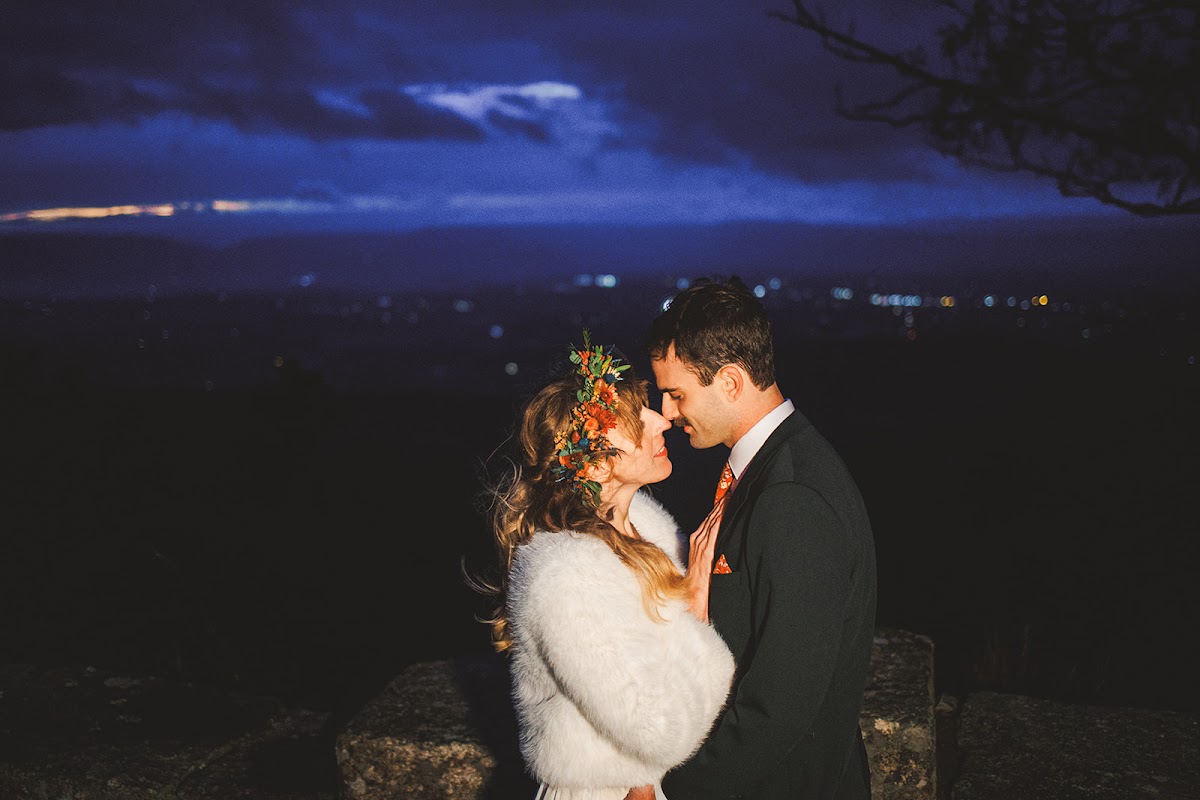
Photographs of just the two of you need about fifteen minutes, not the hour most timelines set aside. Family formals are the part that runs long, and what makes them run long is gathering people, not photographing them. The bigger variable is light. Sunset where I work moves by more than two hours between June and October, so a 4pm ceremony in June and a 4pm ceremony in October are two completely different photographic days. Below is where the hours actually go, real sunset and twilight numbers you can plan against, and where to put the portrait time.
How long do wedding photos take, block by block?
Here is what the major wedding publishers put in their sample timelines, so you have a baseline before I argue with parts of it.
| Block | Published guidance |
|---|---|
| Getting ready | 45 minutes to 2 hours of coverage |
| First look | 30 minutes, unhurried |
| Couple portraits | 30 to 45 minutes |
| Wedding party | 30 minutes for a party of 8 to 16 |
| Family formals | 30 minutes minimum, 2 to 5 minutes per grouping |
| Ceremony | 20 to 30 minutes, or 45 to 75 for a full religious service |
| Cocktail hour | 60 minutes, sometimes 90 |
Those come from The Knot's and Zola's planner-backed sample timelines. They are reasonable and I would not talk you out of any of them. The one I would push back on is couple portraits, and I will get to why.
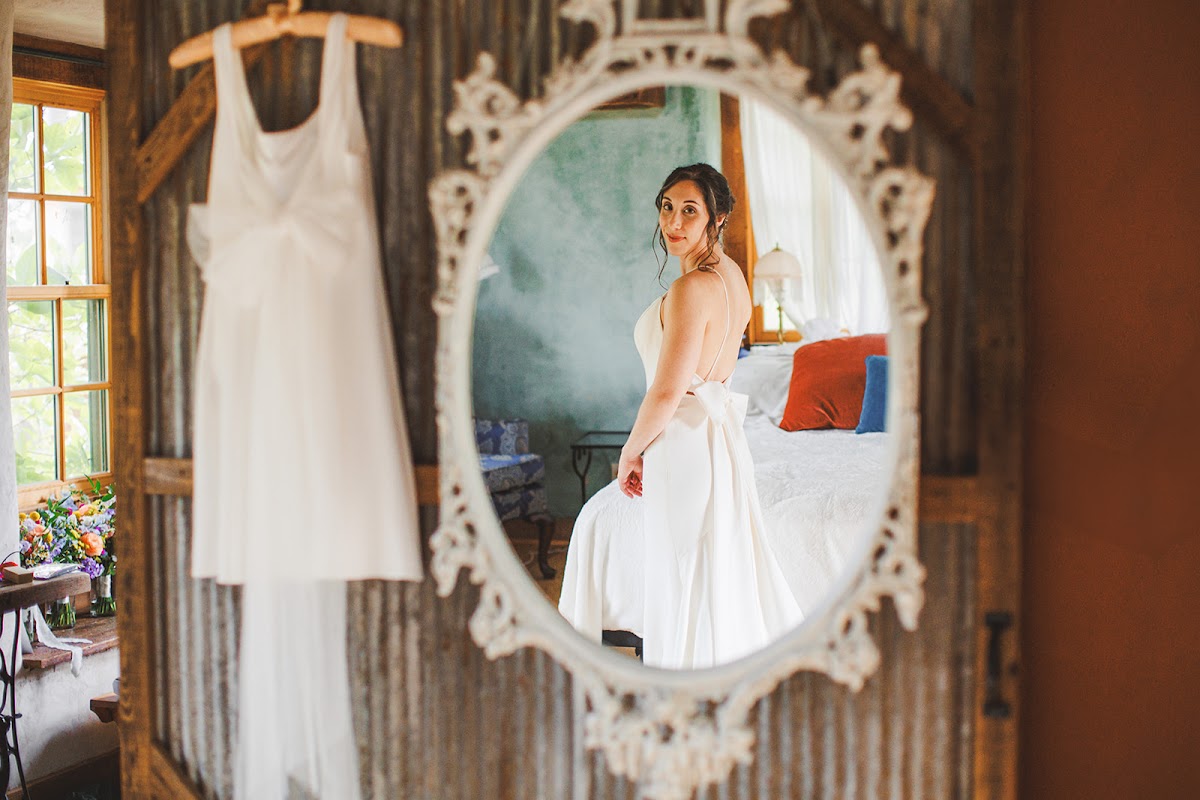
The other number worth knowing is the one The Knot calls the thirty-five rule: a task that takes five minutes normally takes thirty on a wedding day. Every planner I have read says the same thing in different words, which is to pad every transition by ten to fifteen minutes. That is not padding. That is the actual duration.
How long do couple portraits really take?
The published answer is thirty to forty-five minutes. My answer is that the frames you will actually keep come out of about fifteen.
Every wedding has a stretch where the crowd is somewhere else, nothing is scheduled, and the two people at the center of it get fifteen minutes alone. Those are usually my favorite photographs of the entire day. Not because fifteen is optimal, but because by then you have stopped performing. You got married. The hard part is over. You are two people who like each other, standing somewhere quiet.
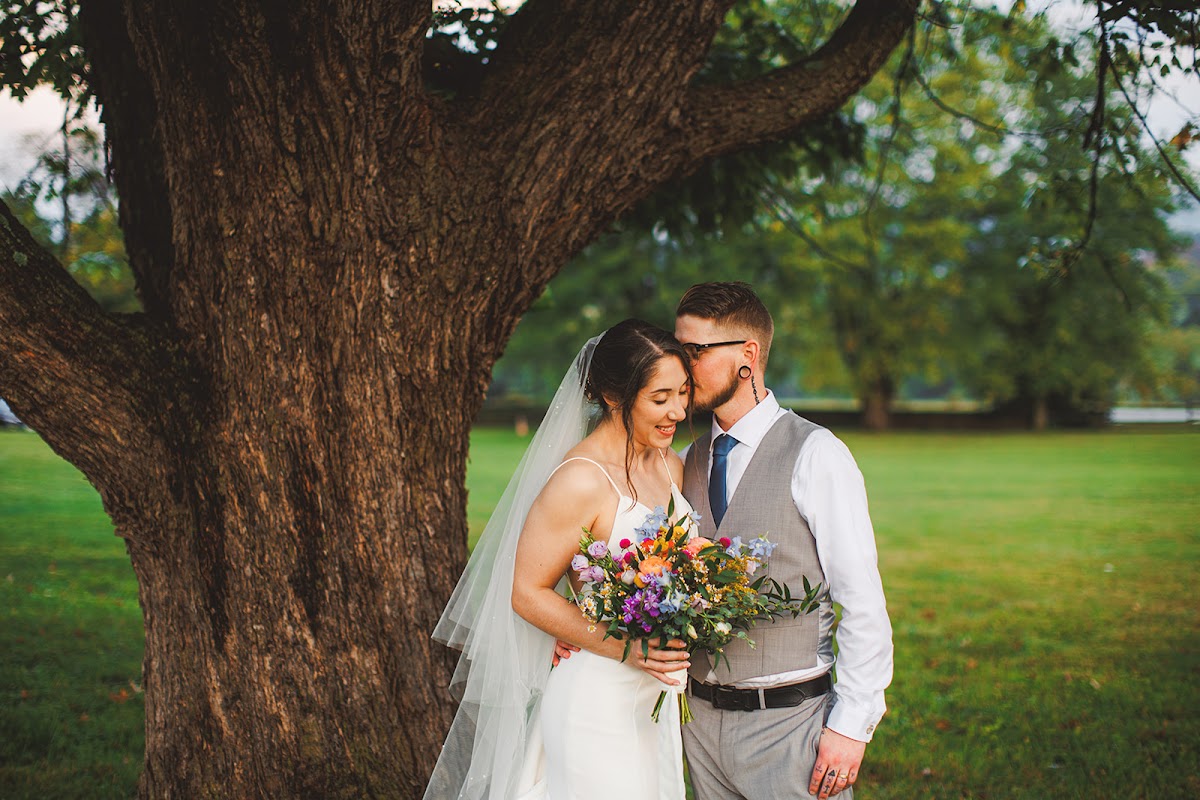
An hour does not give you four times as much of that. It gives you a tired couple and a lot of frames of the same two expressions. If you want to book forty-five minutes, book it. Just know that most of what you keep will come from a much smaller slice of it, and that slice is usually at the start or right at the end.
Two short windows beat one long one
Here is the thing that actually changes your photographs: split the time.
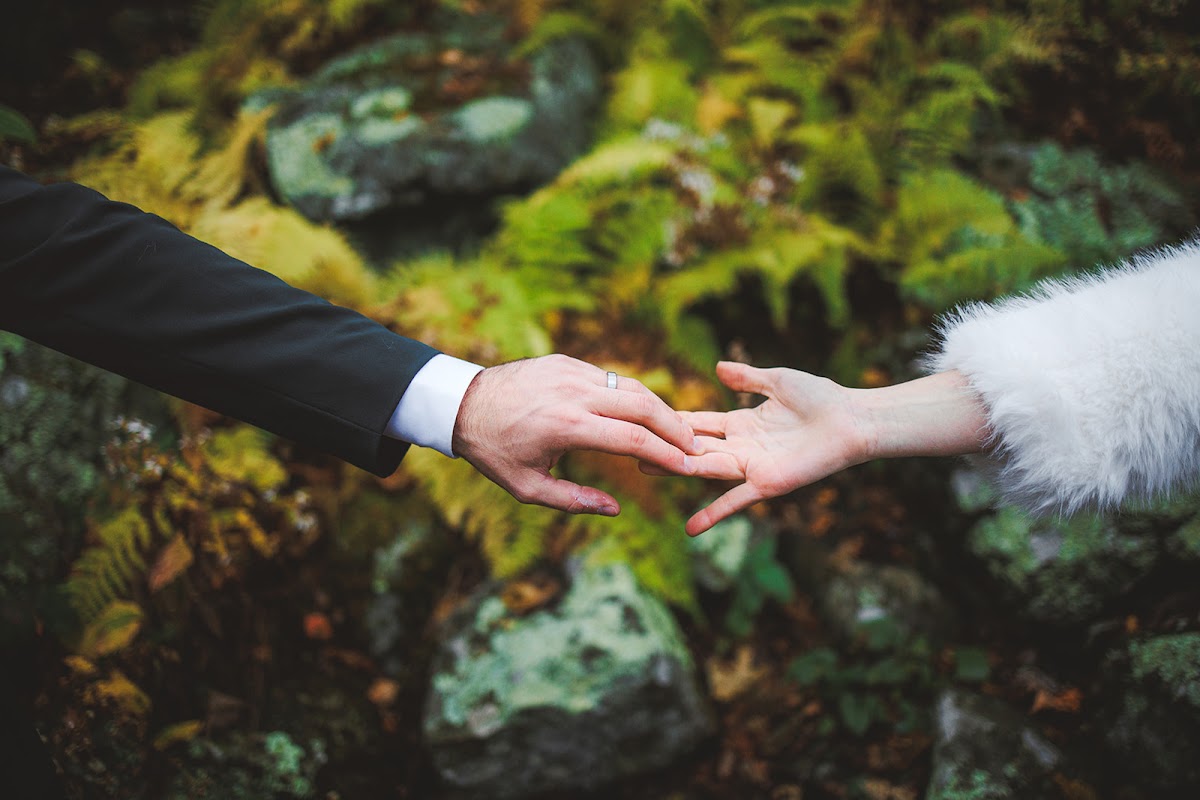
At one July wedding we went to the same stone wall twice. The first time the sky was plain and open and we got a perfectly nice photograph that nobody has looked at since. Twenty minutes later a storm cloud came up the valley, so we walked back.
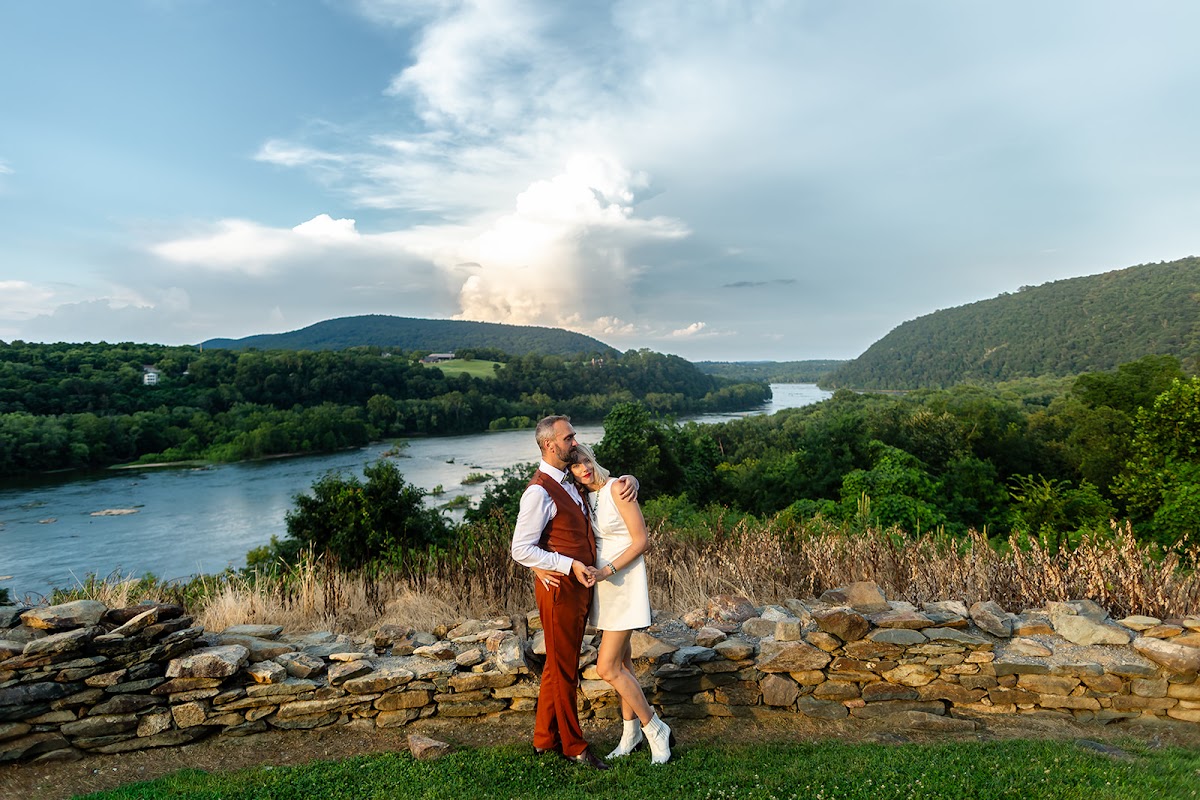
If we had spent the whole allowance in one block, that block would have been the first one, and this photograph would not exist. I do not know what your sky is going to do. Nobody does. What I can do is leave myself more than one chance at it.
Do you take wedding photos before or after the ceremony?
This is the first look question, and it is really a question about when you want to be at your own party.
A first look moves the bulk of portraits before the ceremony. The published guidance is to schedule it about two and a half to three hours before you walk down the aisle, and to give it a full thirty minutes so it does not feel rushed. Doing that opens up one and a half to two hours of portrait time you would not otherwise have, and it buys you roughly twenty minutes of your own cocktail hour.
Without one, portraits get pushed back by thirty to forty-five minutes, they land after the ceremony, and you will not attend your cocktail hour. That is the trade. Not better photographs, not worse photographs. Just a different hour of the day and a different feeling walking up the aisle.
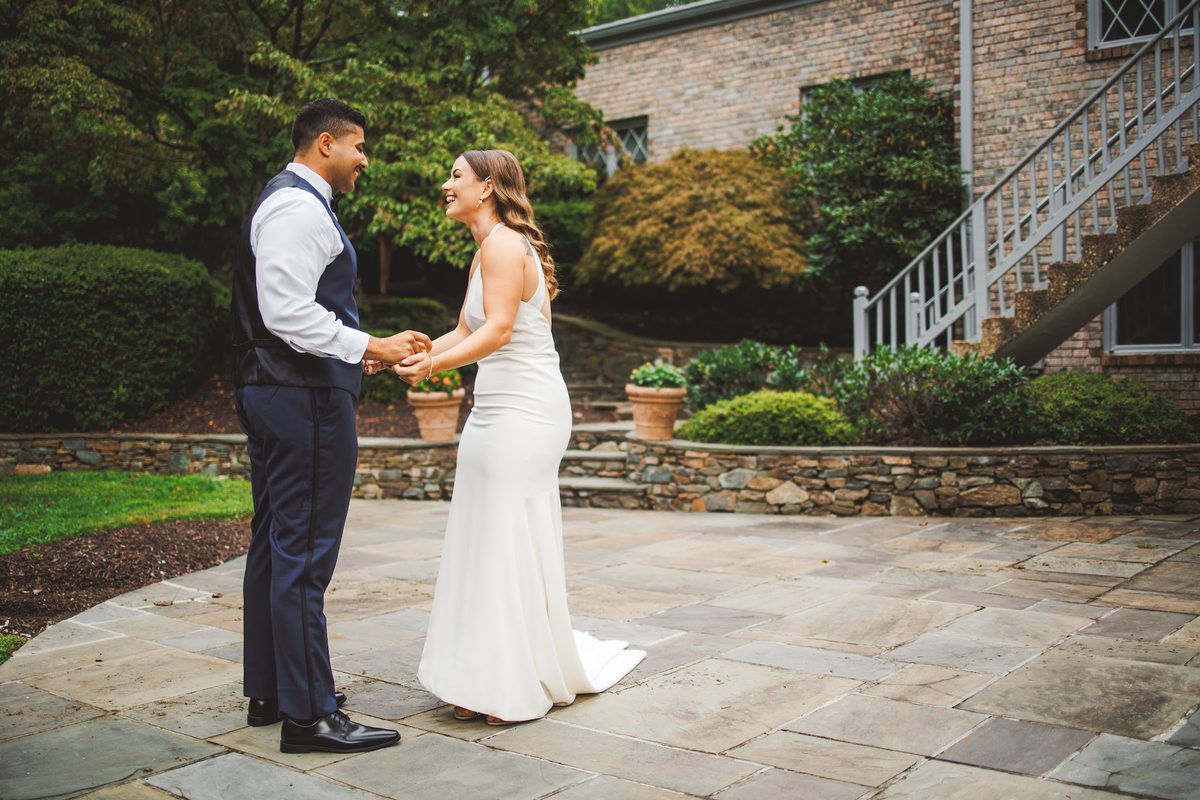
For what it is worth, 56% of couples had a first look in 2023, up eight points in five years. It is no longer the unconventional choice. If your reason for skipping it is that your grandmother would be scandalised, that is a real reason. If your reason is that you read it ruins the aisle moment, I have photographed plenty of both and I would not worry.
How long do family photos take?
Published guidance runs from two minutes per grouping to five, with a recommended cap of ten to fifteen groupings. I am not going to give you a number, because it is not a fixed quantity. It is a variable, and it moves on things nobody can see in advance.
The photographing is fast. Assembling the people is the job. One professional quoted in The Knot puts it exactly right: what makes family formals overrun is the wrangling, not the shooting. A grouping where everyone is already standing there takes a minute. The same grouping where an uncle has gone to the bar takes twelve.
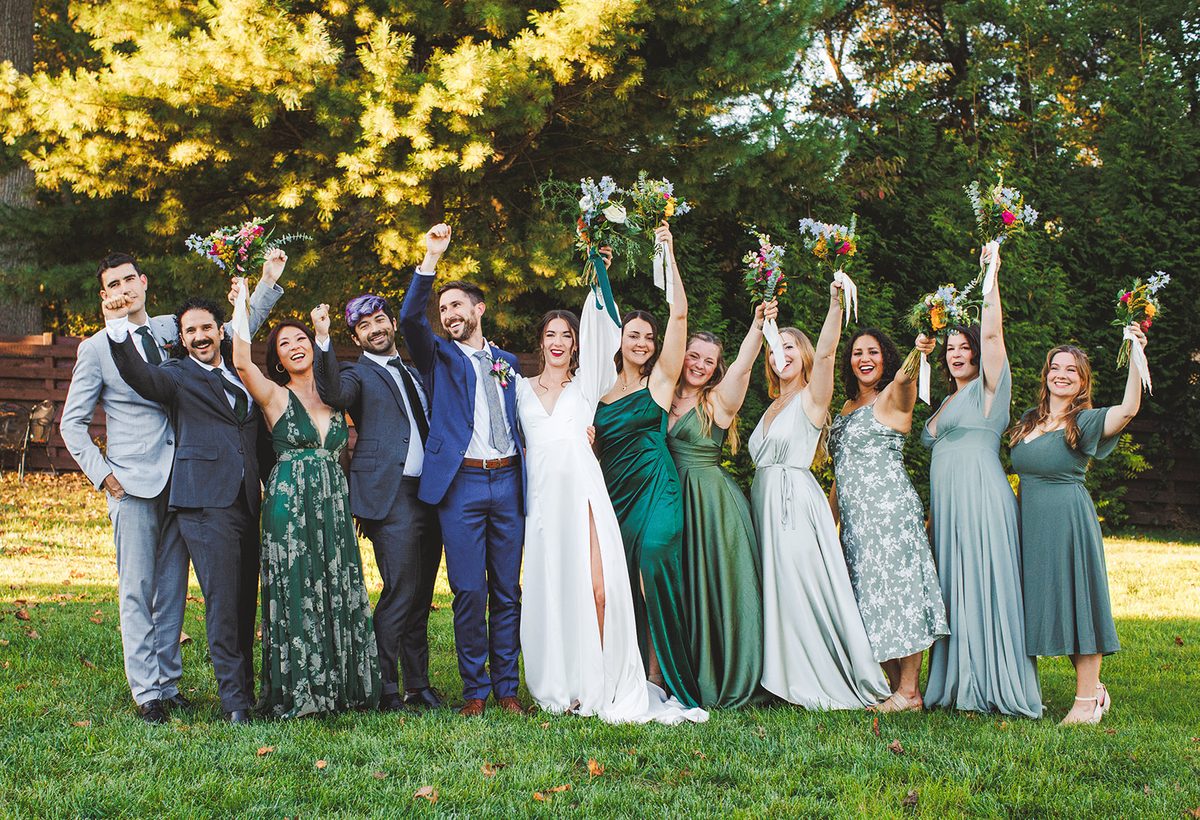
So the number depends on how many groupings you want, how fast people come when their name is called, whether anyone has wandered off, and whether the family is split and needs handling with a bit of care. That last one is real and nobody writes about it. If there are people who should not be in a frame together, tell me before the day, not during it. I will build the order so it never becomes a moment.
What you can control is the list. Write out the groupings you actually want, send them ahead, and pick one person on each side who knows everybody and will happily raise their voice. A list plus two loud relatives beats any amount of padding in the schedule.
When does the light actually run out?
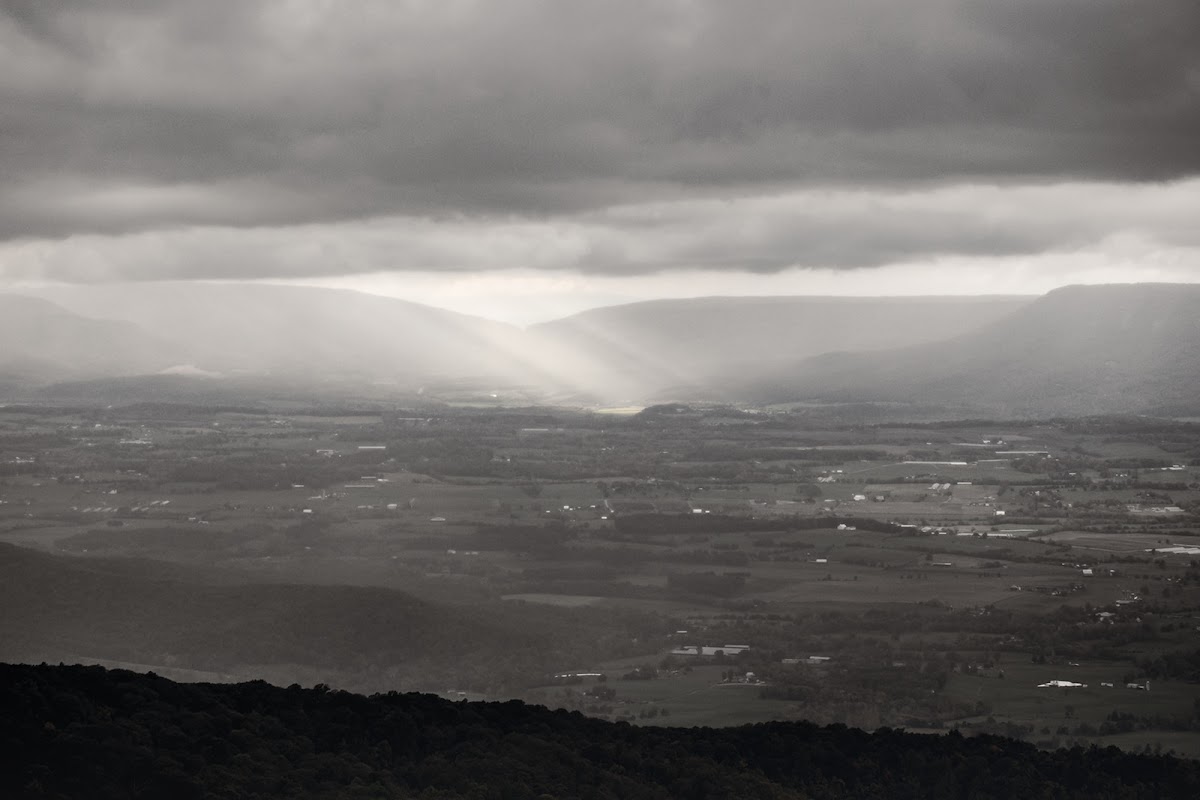
This is the part almost nobody publishes, so here are real numbers.
These are sunset and civil twilight times for my part of the world, latitude 39.4 north, which covers Washington DC, Baltimore, Frederick, Leesburg, Winchester, Harpers Ferry and Shepherdstown. Across all seven of those, sunset varies by six minutes and the twilight numbers are identical, so one table does the whole corridor.
| Date | Golden hour begins | Sunset | Usable light ends |
|---|---|---|---|
| April 15 | 7:13pm | 7:49pm | 8:17pm |
| May 15 | 7:40pm | 8:18pm | 8:49pm |
| June 15 | 8:00pm | 8:40pm | 9:12pm |
| July 15 | 7:58pm | 8:37pm | 9:09pm |
| August 15 | 7:30pm | 8:07pm | 8:35pm |
| September 15 | 6:45pm | 7:20pm | 7:46pm |
| October 15 | 5:56pm | 6:32pm | 6:59pm |
Sunset and twilight times are from the US Naval Observatory. "Usable light ends" is the end of civil twilight, which is the point where you genuinely cannot photograph outdoors without adding light. These barely move year to year: across 2026 to 2030 each of those dates shifts by at most a minute, so you can plan against them without checking the year.
The thing everyone gets wrong about golden hour
I had this backwards myself until I checked. Golden hour does not get meaningfully shorter or longer across the wedding season. At this latitude it runs about forty minutes in June and thirty-five at the September equinox. A five minute spread across the whole year.
What changes enormously is when it happens. In mid-June, golden hour runs from 8:00 to 8:40pm, which is during dinner. In mid-October it runs from 5:56 to 6:32pm, which is squarely in the middle of cocktail hour. Same forty minutes of the best light of the day, landing in a completely different part of your night.
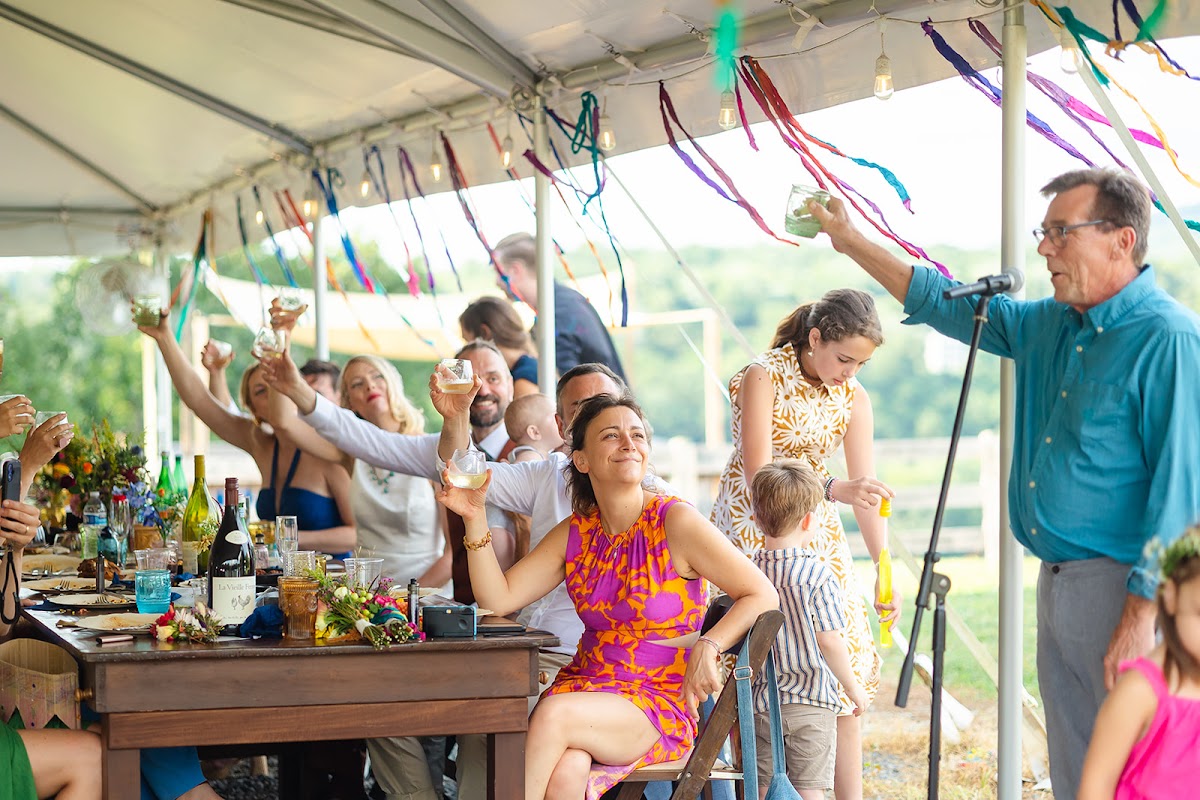
That, not duration, is the actual planning problem. Nobody needs to know how long golden hour lasts. You need to know what you will be doing when it arrives, and whether anyone thought to leave you ten minutes to step outside.
Why an October portrait session is easier than a June one
At 4pm in mid-June the sun sits about 51 degrees above the horizon. At 4pm in mid-October it is about 26 degrees. That is the entire reason an autumn afternoon looks good on camera and a June afternoon is a fight. High sun puts shadows under everyone's eyes and makes people squint; low sun comes in sideways and does most of the work for you.
It is also why I will put you in the shade in June and not apologise for it. The edge of a tree's shadow with open ground in front of you gives you light bouncing up into your face. You will look at that photograph later and not know why you look good in it.
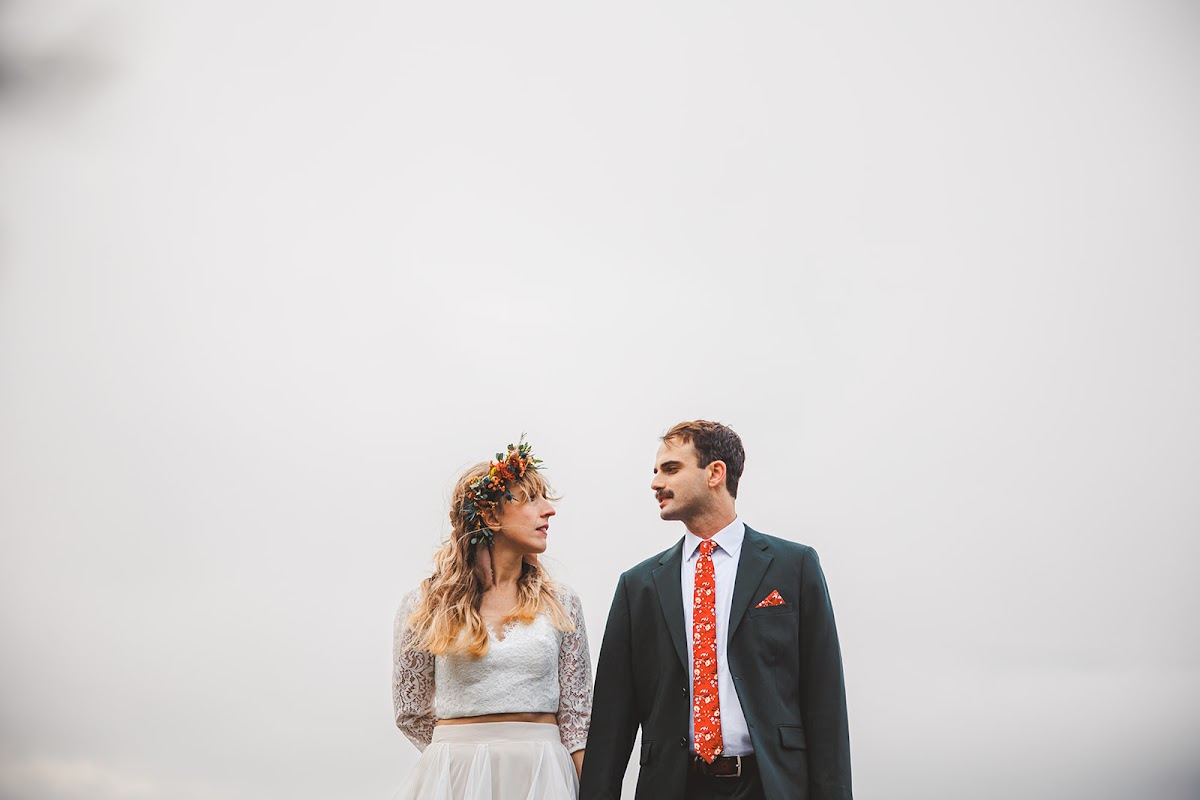
How much light do you have after the ceremony?
Take a ceremony that ends at 5pm, which is common, and count what is left.
| Ceremony ends 5pm | Mid-June | Mid-October |
|---|---|---|
| Until golden hour starts | 3 hours | 56 minutes |
| Until sunset | 3 hr 40 min | 1 hr 32 min |
| Until light is gone | 4 hr 12 min | 1 hr 59 min |
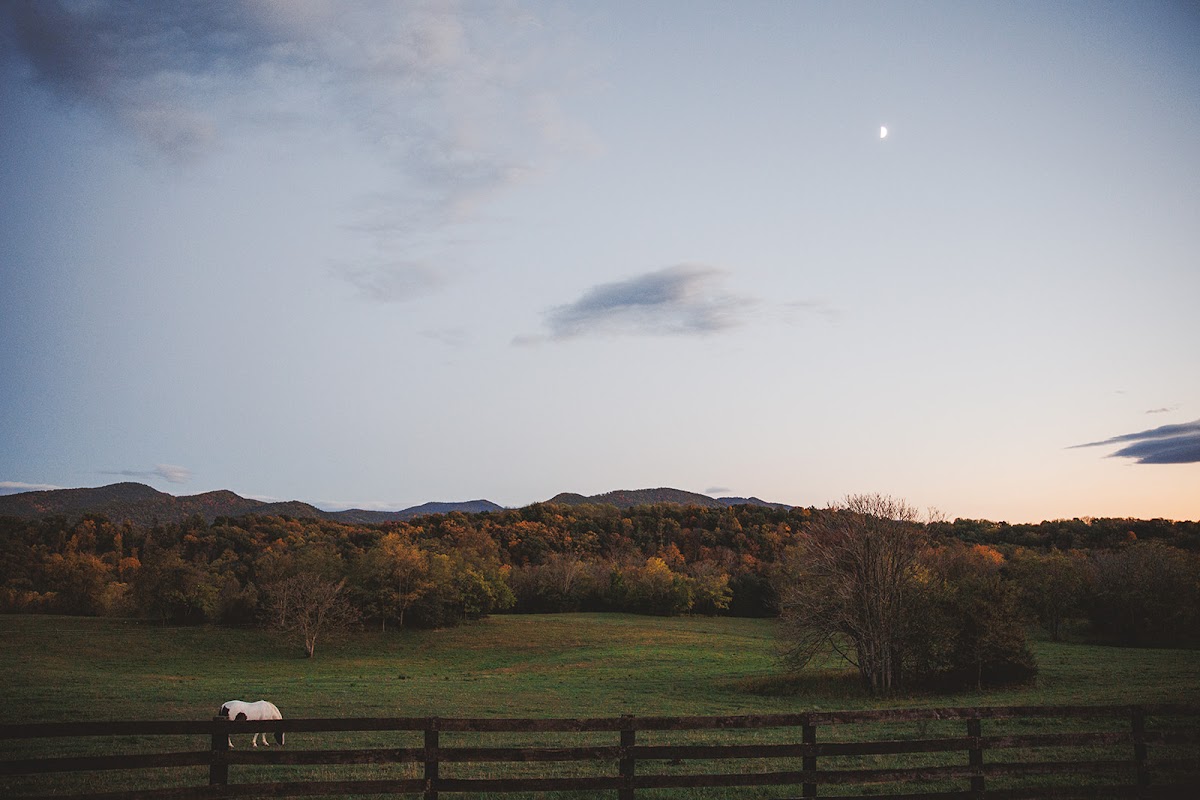
October gives you less than half the runway June does. If your ceremony ends at 6pm in mid-October, golden hour has already started and you have under an hour of light left in total.
None of that means an October wedding is worse. It means an October wedding wants a different plan, and if you are working from a timeline template written for a summer date it will quietly fail you.
Where this changes if you are not near me
The season shifts with latitude, so if you are getting married somewhere else, the shape holds but the numbers move. Golden hour length at the June solstice, compared with the September equinox:
| Place | June | September |
|---|---|---|
| Miami | 34 min | 30 min |
| Texas Gulf coast | 35 min | 32 min |
| Mid-Atlantic | 40 min | 35 min |
| Minneapolis | 45 min | 39 min |
| London | 54 min | 44 min |
The further north you are, the longer the light lingers and the more it swings across the year. Worth knowing if you are planning a destination wedding from a template written somewhere else. It is also why a Gulf coast timeline and a Mid-Atlantic timeline are not the same document, something I think about every winter.
Leave gaps on purpose
The best photographs of most weddings are not on anybody's list. They happen in the twenty minutes nobody assigned a name to, when the room has emptied out for a moment and nobody is asking anything of you.
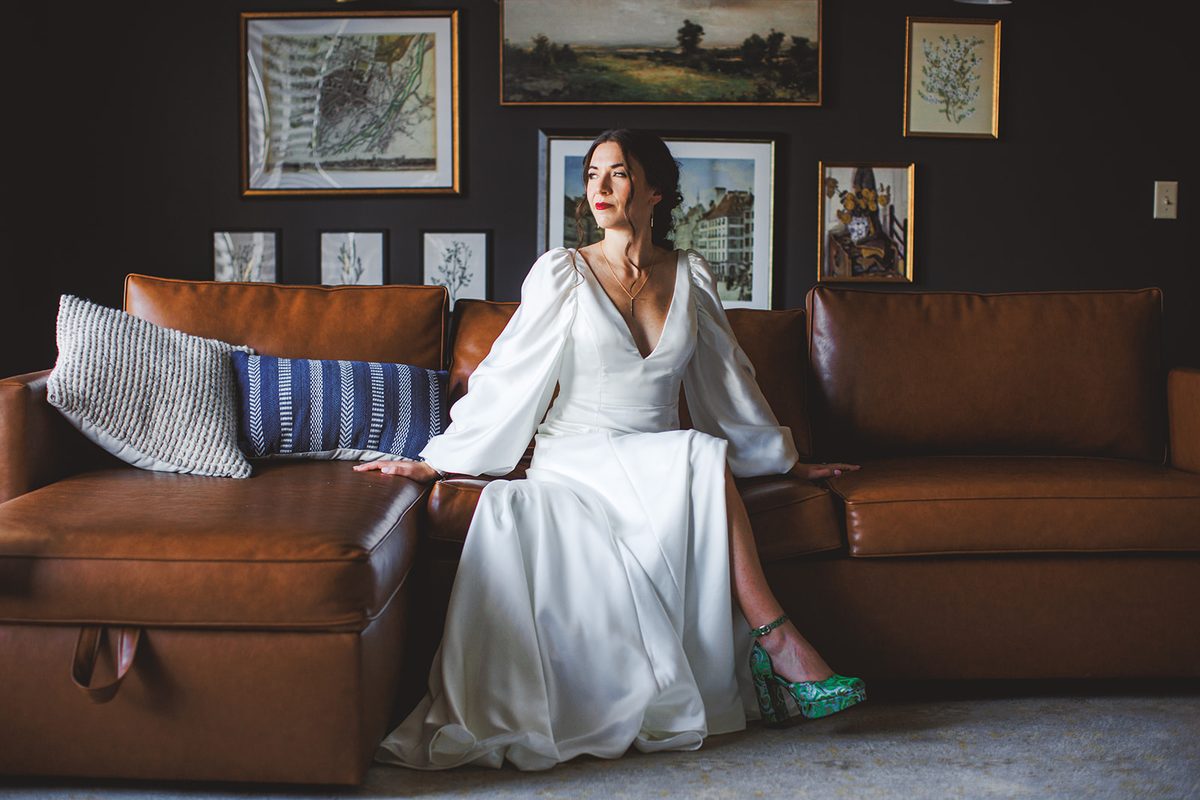
A timeline packed end to end produces a competent gallery and not much else. If you take out one grouping and leave the gap where it was, that gap is where the day actually shows up.
The step-out
The best value ten minutes of any wedding day is leaving your own reception.
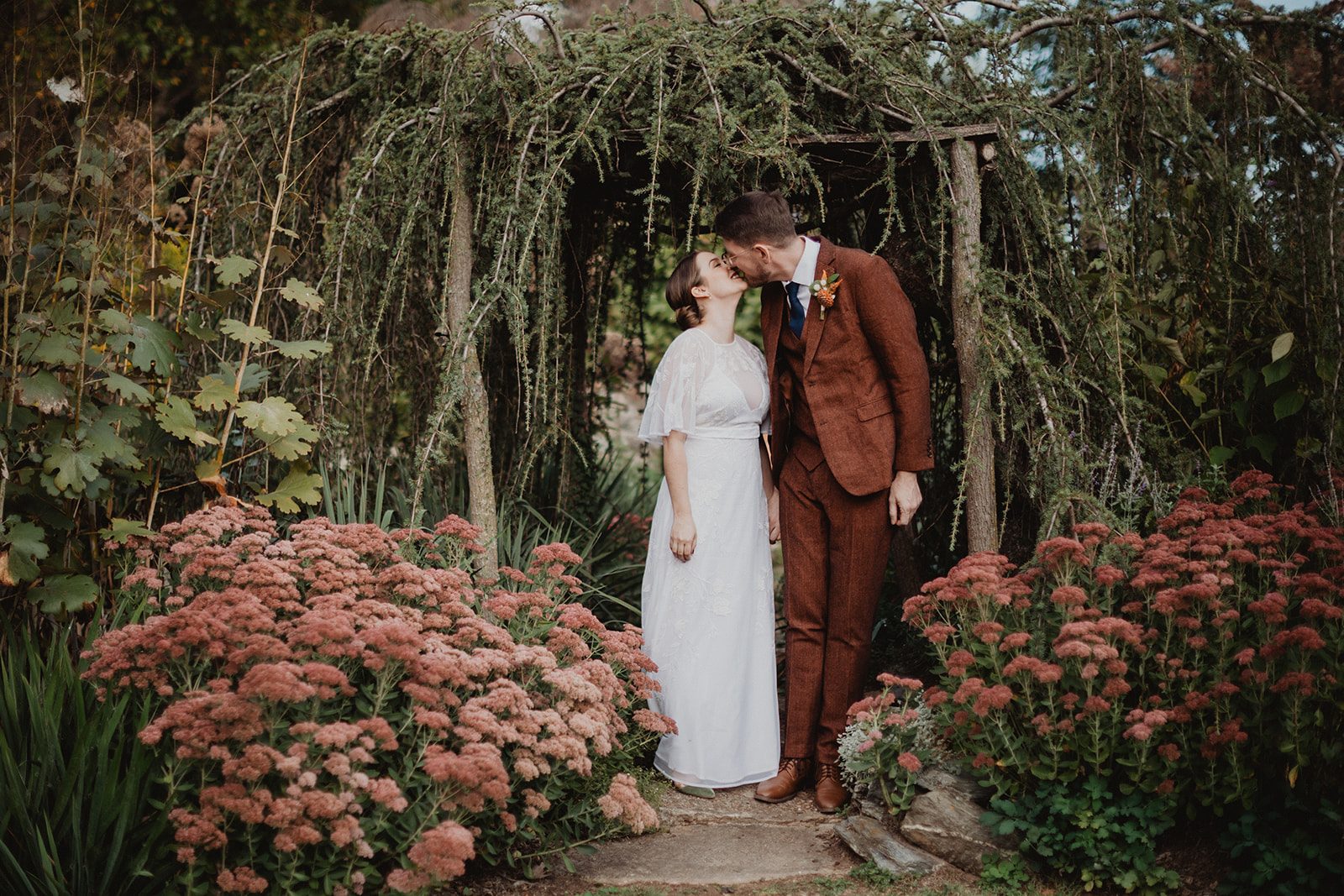
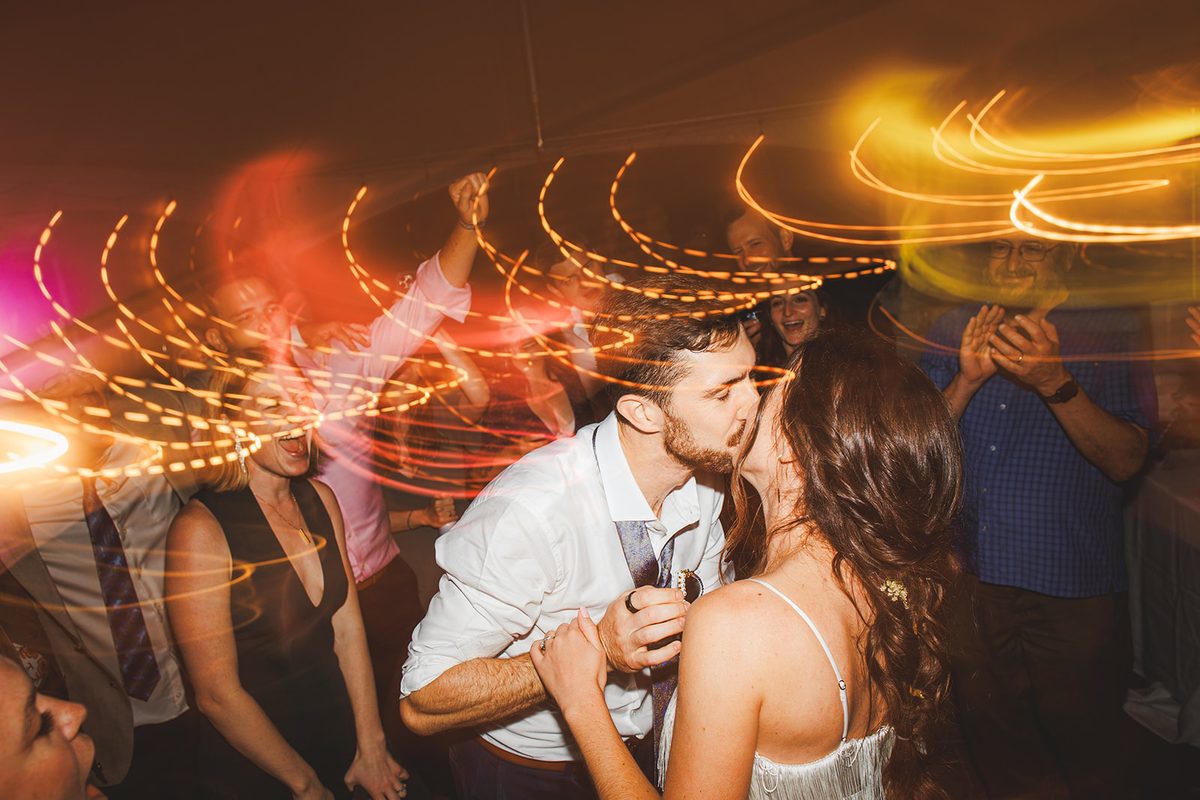
You step outside, you get the one photograph of the day where the noise is behind you, and you walk back in. Nobody schedules it and nobody misses you. If you take one thing from this, take that.
So what do you actually do
Three things.
Find your sunset time for your actual date, then work backwards from it rather than forwards from your ceremony. That single move solves most timeline problems before they happen.
Decide the first look question on whether you want to be at your cocktail hour, not on what the photographs will look like.
Send your family grouping list ahead, and stop budgeting an hour for portraits of the two of you. Give that time to the part of the day that is actually short.
If you want the other side of this, what a second venue does to the same timeline is its own problem, and what a full day of coverage costs is on the pricing side. When you are ready, send me your date and the rough shape of the day, even if half of it is still a guess.